Make Sense Common Again: Bold Typography for Clear Messaging
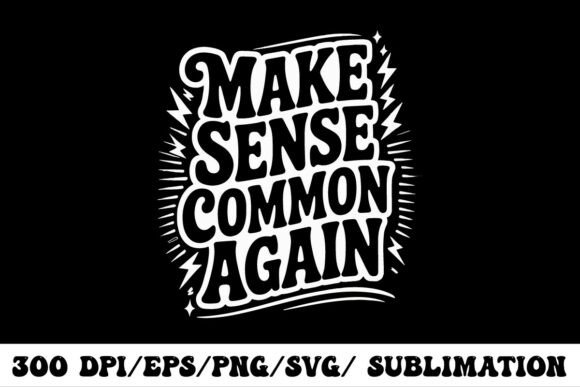
In a digital landscape saturated with noise, finding a typeface that cuts through with absolute clarity is rare. The Make Sense Common Again Typography Desig is not just a collection of letters; it is a visual manifesto. At its core, this is a high-impact display font characterized by its bold, black-and-white aesthetic. It draws heavily on retro-inspired lettering, evoking a sense of urgency and authority often seen in vintage propaganda posters or mid-century editorial headlines. The design relies on thick strokes and dynamic accents, ensuring that the message isn't just read—it is felt. For designers and brand strategists, this typeface represents a return to fundamentals: logic, directness, and unapologetic statement-making.
The Visual Personality of a Statement Typeface
When evaluating a premium font for professional use, understanding its "voice" is critical. The Make Sense Common Again Typography Desig speaks with authority. Its visual characteristics are defined by a heavy weight and a structured baseline that grounds the text. Unlike delicate script fonts or flowing handwritten fonts, this display font demands center stage. The retro influences suggest a connection to a time when things were built to last, offering a psychological anchor for audiences seeking stability and reason.
The style is distinctly utilitarian yet artistic. It avoids the cold sterility of some modern typography while steering clear of overly decorative flourishes. This balance makes it an incredibly versatile creative font. It carries a personality that is resilient, thoughtful, and perhaps slightly rebellious against current trends of minimalism that sacrifice legibility for aesthetics. In terms of appeal, it targets an audience that values substance over style, though the style here is undeniably sharp.
Strategic Applications: Where This Font Shines
Knowing where to deploy a typeface is half the battle in brand identity and content creation. The strength of the Make Sense Common Again Typography Desig lies in its ability to dominate a composition without needing complex supporting graphics.
Apparel and Physical Merchandise
The description of this font as "perfect for T-shirts" is accurate. In packaging design and merchandise, text must be legible from a distance and instantly recognizable. This bold text design translates perfectly to screen printing and DTG (Direct to Garment) printing because of its high contrast. It works exceptionally well on tote bags, hoodies, and hats. For entrepreneurs in the print-on-demand space, using a statement artwork style font like this reduces the need for intricate illustrations, streamlining the production process while maintaining high perceived value.
Digital Presence and Web Design
On screen, hierarchy is everything. In web design, this typeface serves as an excellent choice for H1 headers, hero section call-to-actions, or landing page titles. It grabs attention immediately, which is crucial for reducing bounce rates. However, because it is a display font, it should be used sparingly for body text. Pair it with a clean sans serif font for body copy to maintain readability. The contrast between a retro-inspired header and a modern sans-serif body creates a sophisticated, layered look that appeals to a demographic of 20-to-50-year-olds who appreciate both nostalgia and modern functionality.
Editorial and Social Media
For bloggers and content creators, consistency is key. Using the Make Sense Common Again Typography Desig in social media graphics creates a recognizable visual pattern. It is ideal for quote cards—specifically inspirational message or motivational graphic posts. On platforms like Instagram or Pinterest, where users scroll quickly, the bold, black-and-white nature of this font stops the thumb. In editorial design, such as magazine headers or blog feature images, it lends an air of journalistic integrity and seriousness to the topic at hand.
Influence on Brand Perception and Engagement
Typography shapes how an audience perceives a brand before they even read the content. A font like the Make Sense Common Again Typography Desig influences perception by signaling competence and clarity. In a world of "fake news" and information overload, a design that promises to "make sense" is a powerful psychological trigger. It suggests that the brand or individual using it is a purveyor of truth and logic.
Visual hierarchy is another critical factor. By using this bold text design for primary headers, you guide the user's eye exactly where you want it. This improves the overall user experience (UX) of a website or document. When the hierarchy is clear, the content feels more professional, which builds trust. Trust leads to engagement—whether that is a click, a share, or a purchase.
Practical Guide to Implementation
Integrating a new design asset into your toolkit requires a practical approach. Here is how to get the most out of this typeface:
- Evaluating Project Fit: This is a commercial font best suited for projects that require a strong voice. It fits awareness design campaigns, political satire, motivational coaching brands, and streetwear fashion. It is likely less suitable for industries requiring soft, gentle aesthetics, such as baby products or luxury spa branding, unless used ironically.
- Font Pairing Strategies: To avoid visual competition, pair the Make Sense Common Again Typography Desig with something neutral. A geometric sans serif font like Montserrat or a classic serif font like Georgia works well for the body text. The goal is to let the display font handle the emotion while the body font handles the information.
- Technical Considerations: Always review the included styles and character set before purchasing. Does it include multilingual support? Are there ligatures that make the lettering flow better? Furthermore, ensure you understand the licensing. If you are using it for logo design, you typically need a different license than for social media posts. Always verify the EULA (End User License Agreement) to ensure compliance for commercial use.
- Color and Contrast: The name implies a black-and-white usage, but don't limit yourself. High-contrast color pairings—like neon yellow on black, or deep navy on cream—can amplify the retro feel. Test the readability on mobile devices, as the heavy weight of the font might require slightly increased letter spacing (tracking) on smaller screens to prevent characters from merging.
Final Thoughts on Creative Utility
The Make Sense Common Again Typography Desig is more than just a retro lettering style; it is a tool for persuasion. It appeals to the logical side of the consumer while satisfying the aesthetic desires of the designer. Whether you are creating a vintage typography poster for a local event, designing a t-shirt quote for an online store, or building a brand identity for a thought leader, this font provides the visual weight necessary to make your message stick. It bridges the gap between graphic design trends and timeless communication, ensuring your work not only looks good but makes perfect sense.